
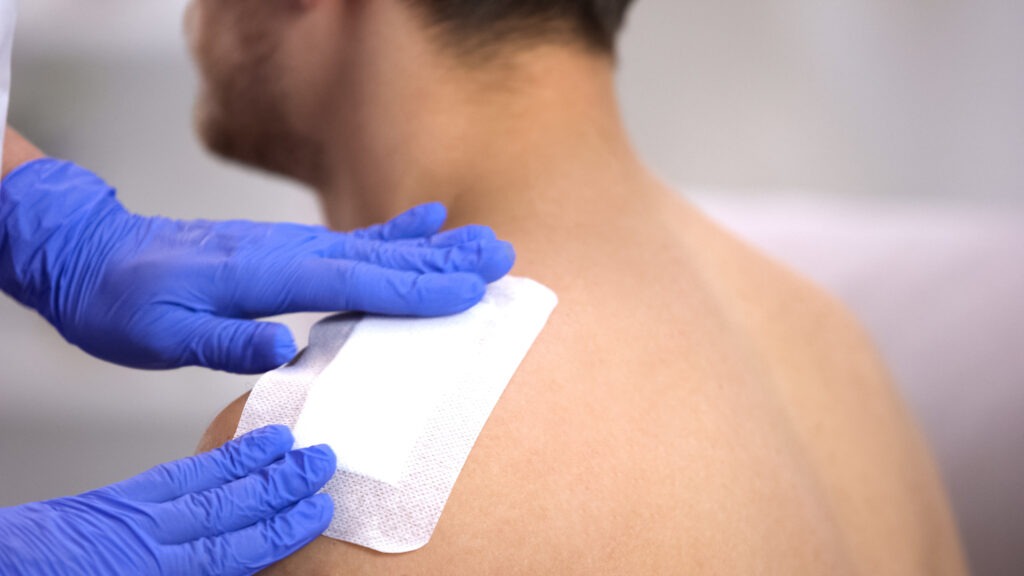
A wound that doesn’t heal, heals very slowly, or repeatedly reopens is considered a chronic wound. These wounds often require specialized medical care and careful monitoring. At Encompass Healthcare, we frequently see patients whose healing has been delayed—not because treatment isn’t available—but because common wound care mistakes interfere with recovery.
Understanding what not to do is just as important as knowing the right treatment.
1. Don’t Leave a Chronic Wound Open to “Air Out”
One of the most persistent myths in wound care is that wounds heal faster when left uncovered. In reality, research shows that wounds heal more efficiently in a moist, protected environment (Winter, 1962). Exposure to air lowers tissue temperature and slows cell activity essential for repair.
Chronic wounds should typically be dressed with physician-recommended moist dressings to support optimal healing conditions.
2. Don’t Ignore Signs of Infection
Infection is one of the most common barriers to healing. Signs may include:
- Increasing pain
- Redness that spreads
- Pus or abnormal drainage
- Fever
- Foul odor
When infection is present, the body shifts focus from tissue repair to fighting bacteria. Delayed treatment increases the risk of complications. Early diagnosis and targeted therapy—including advanced infection management and IV antibiotics when appropriate—are critical (Guo & DiPietro, 2010).
3. Don’t Use Harsh Antiseptics on Chronic Wounds
While antiseptic sprays and hydrogen peroxide are often used on fresh cuts, they can damage healthy tissue in chronic wounds. Many topical antiseptics are cytotoxic, meaning they harm the very cells responsible for healing (Lineweaver et al., 1985).
Chronic wounds require specialized cleansing techniques that protect viable tissue while reducing bacterial burden.
4. Don’t Overlook Underlying Medical Conditions
Poorly controlled diabetes, vascular disease, anemia, and immune disorders can all restrict blood flow and oxygen delivery to tissues. Without adequate circulation, wounds struggle to heal.
Proper management of chronic conditions—especially blood sugar control in diabetic patients—is essential for successful wound recovery (Falanga, 2005).
5. Don’t Continue Smoking
Smoking impairs circulation, reduces oxygen supply to tissues, and increases the risk of wound complications. Studies consistently show delayed healing in smokers compared to non-smokers (Sørensen, 2012).
Stopping smoking—even temporarily during recovery—can significantly improve healing outcomes.
6. Don’t Neglect Nutrition
Wound healing requires protein, vitamin C, zinc, and other micronutrients to support collagen formation and tissue repair. Malnutrition is a major contributor to chronic wounds (Stechmiller, 2010).
Patients recovering from surgery or managing chronic wounds should prioritize balanced nutrition under medical guidance.
7. Don’t Ignore Persistent Pressure or Trauma
For immobile patients, continuous pressure can restrict blood flow and cause pressure injuries (bed sores). Friction, repetitive trauma, or poorly fitting footwear can also reopen fragile wounds—especially in patients with diabetic neuropathy.
Pressure relief strategies and protective measures are essential components of comprehensive wound care.
When to Seek Expert Wound Care
You should seek evaluation if:
- A wound hasn’t improved in 4 weeks
- Pain is worsening instead of improving
- There is drainage, odor, or bleeding
- You have diabetes or circulation issues
- The wound repeatedly reopens
At Encompass Healthcare, we provide:
- Advanced chronic wound care
- Infection treatment and IV antibiotic therapy
- Post-surgical wound management
- Comprehensive diagnostic evaluation
Healing requires more than time—it requires the right strategy.
If you are concerned about a non-healing wound, schedule a consultation with Encompass Healthcare today.
Scientific References
- Winter GD. Formation of the scab and the rate of epithelialization of superficial wounds in the skin of the young domestic pig. Nature. 1962.
- Guo S, DiPietro LA. Factors affecting wound healing. J Dent Res. 2010;89(3):219–229.
- Lineweaver W et al. Topical antimicrobial toxicity. Arch Surg. 1985.
- Falanga V. Wound healing and its impairment in diabetes. Lancet. 2005.
- Sørensen LT. Wound healing and infection in surgery: The clinical impact of smoking. Ann Surg. 2012.
- Stechmiller JK. Understanding the role of nutrition in wound healing. Nutr Clin Pract. 2010.