
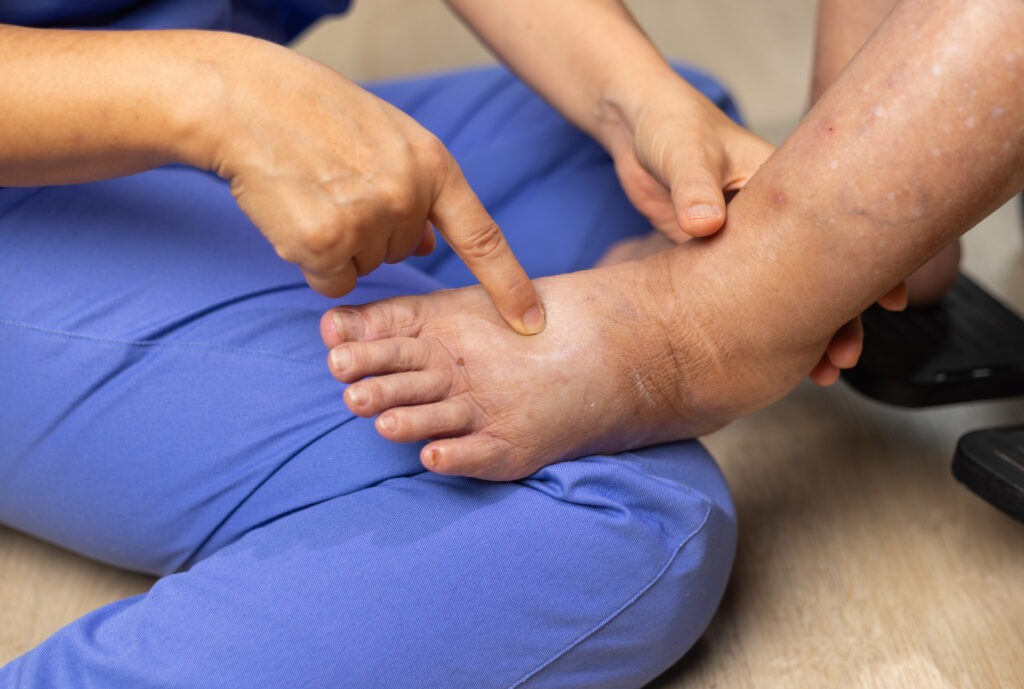
What Is Lymphedema and Why Does It Occur?
Lymphedema is a chronic condition that occurs when the lymphatic system is unable to properly drain lymph fluid from the body’s tissues. This results in the buildup of protein-rich fluid, causing swelling that most commonly affects the arms, legs, feet, or hands. In some cases, lymphedema can also develop in the chest, abdomen, neck, or genital area.
Understanding what is lymphedema is important because early diagnosis and treatment can help prevent long-term complications and improve quality of life.
The lymphatic system is a network of vessels, nodes, and organs that helps maintain fluid balance, remove waste products, and support the body’s immune defenses. When this system becomes damaged or blocked, lymph fluid cannot circulate properly, leading to swelling and inflammation.
What Causes Lymphedema?
Lymphedema can be classified as either primary or secondary.
Primary Lymphedema
Primary lymphedema is a rare inherited condition caused by abnormalities in the development of the lymphatic system. Symptoms may appear at birth, during adolescence, or later in adulthood.
Secondary Lymphedema
Secondary lymphedema develops as a result of damage to the lymphatic system. Common causes include:
- Cancer surgery involving lymph node removal
- Radiation therapy
- Trauma or injury
- Chronic venous insufficiency
- Recurrent infections
- Obesity
- Vascular disease
- Scar tissue that blocks lymphatic drainage
Secondary lymphedema is significantly more common than primary lymphedema and often occurs following cancer treatment.
Signs and Symptoms of Lymphedema
Lymphedema typically develops gradually, making early recognition important.
Common signs and symptoms include:
- Swelling in the feet, ankles, legs, hands, or arms
- A feeling of heaviness or fullness in the affected limb
- Tightness in the skin
- Reduced flexibility or range of motion
- Aching, discomfort, or tenderness
- Clothing, shoes, jewelry, or watches feeling tighter than usual
- Recurrent skin infections
- Thickened or hardened skin in advanced stages
Many patients initially notice mild swelling that worsens throughout the day and improves with elevation. Over time, the swelling may become persistent and more difficult to manage without treatment.
Why Early Treatment Matters
When left untreated, lymphedema can progress and lead to significant tissue changes.
Chronic swelling can cause:
Fibrosis
Protein-rich fluid accumulates within the tissues, causing the skin and underlying structures to become thickened and hardened. This process is known as fibrosis.
Increased Risk of Infection
Patients with lymphedema are more susceptible to bacterial infections such as cellulitis because impaired lymphatic drainage can weaken local immune function.
Skin Changes
Advanced lymphedema may cause skin thickening, discoloration, and the development of folds or cracks that increase the risk of infection.
Reduced Mobility
Severe swelling can make walking, exercising, and performing daily activities more difficult.
When to Seek Medical Care for Lymphedema
Patients should seek medical evaluation if they experience:
- Persistent swelling in an arm or leg
- Swelling that continues to worsen over time
- Feelings of heaviness or tightness in an extremity
- Skin changes or thickening
- Recurrent cellulitis or skin infections
- Pain associated with swelling
- Open wounds or drainage from the skin
Immediate medical attention should be sought if swelling is accompanied by redness, warmth, fever, chills, or sudden worsening symptoms, as these may indicate an infection requiring prompt treatment.
Early intervention often leads to better outcomes and can help prevent long-term complications.
How Is Lymphedema Treated?
Although lymphedema is considered a chronic condition, effective treatment can significantly reduce swelling, improve circulation, and help patients maintain an active lifestyle.
Manual Lymphatic Drainage (MLD)
Manual lymphatic drainage is a specialized massage technique that stimulates the movement of lymph fluid through healthy lymphatic pathways.
Benefits of MLD include:
- Reduced swelling
- Improved circulation
- Enhanced comfort
- Better tissue health
Compression Therapy
Compression therapy helps prevent fluid accumulation and encourages proper lymphatic drainage.
Common compression options include:
- Compression stockings
- Compression sleeves
- Multilayer compression bandaging
- Compression wraps
Pneumatic Compression Pumps
Pneumatic compression devices use inflatable chambers that apply intermittent pressure to help move lymph fluid and reduce swelling.
Venous Ablation
For patients whose swelling is related to chronic venous insufficiency, venous ablation may be recommended. This minimally invasive procedure closes malfunctioning veins and improves circulation.
Exercise and Movement
Regular physical activity can help stimulate lymphatic flow and reduce fluid buildup. Patients should work with their healthcare provider to develop an exercise program appropriate for their condition.
Skin Care
Maintaining healthy skin is essential for reducing infection risk. Patients should keep the skin clean, moisturized, and protected from cuts, burns, and other injuries.
Advanced Lymphedema Care at Encompass Healthcare
At Encompass Healthcare, Dr. Bruce Ruben provides comprehensive lymphedema treatment designed to address swelling, improve circulation, and enhance quality of life. Treatment plans may include manual lymphatic drainage, compression therapy, pneumatic compression pumps, venous ablation, and other advanced therapies tailored to each patient’s needs.
Early diagnosis and treatment can help prevent complications and support long-term symptom management.
If you are experiencing persistent swelling, heaviness in your limbs, or other symptoms of lymphedema, seeking professional care can help you take control of your health and improve your quality of life.
Scientific References
- International Society of Lymphology. The Diagnosis and Treatment of Peripheral Lymphedema: 2023 Consensus Document. Lymphology. 2023.
- Rockson SG, Rivera KK. Estimating the Population Burden of Lymphedema. Annals of the New York Academy of Sciences. 2008;1131:147-154.
- Grada AA, Phillips TJ. Lymphedema: Pathophysiology and Clinical Manifestations. Journal of the American Academy of Dermatology. 2017;77(6):1009-1020.