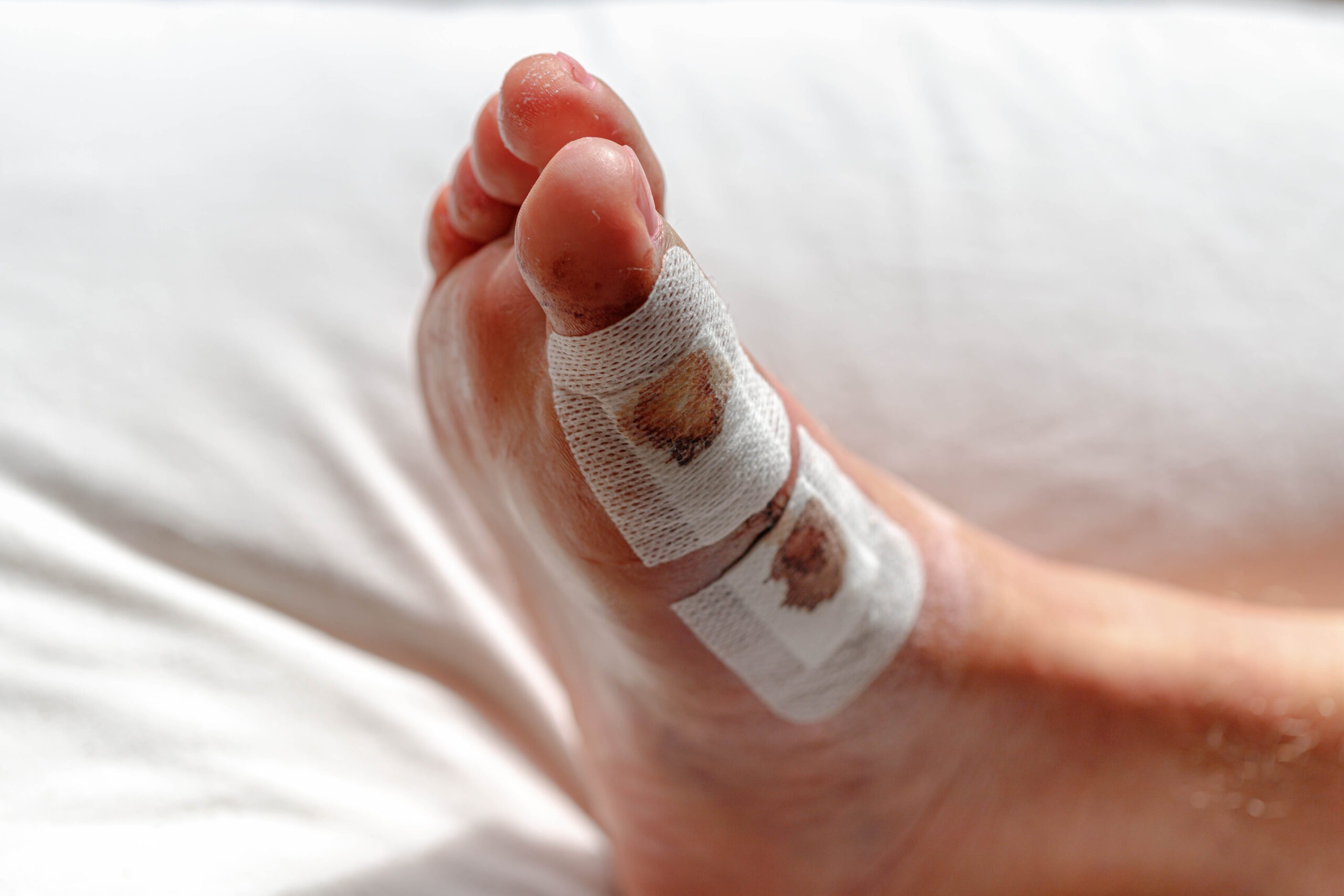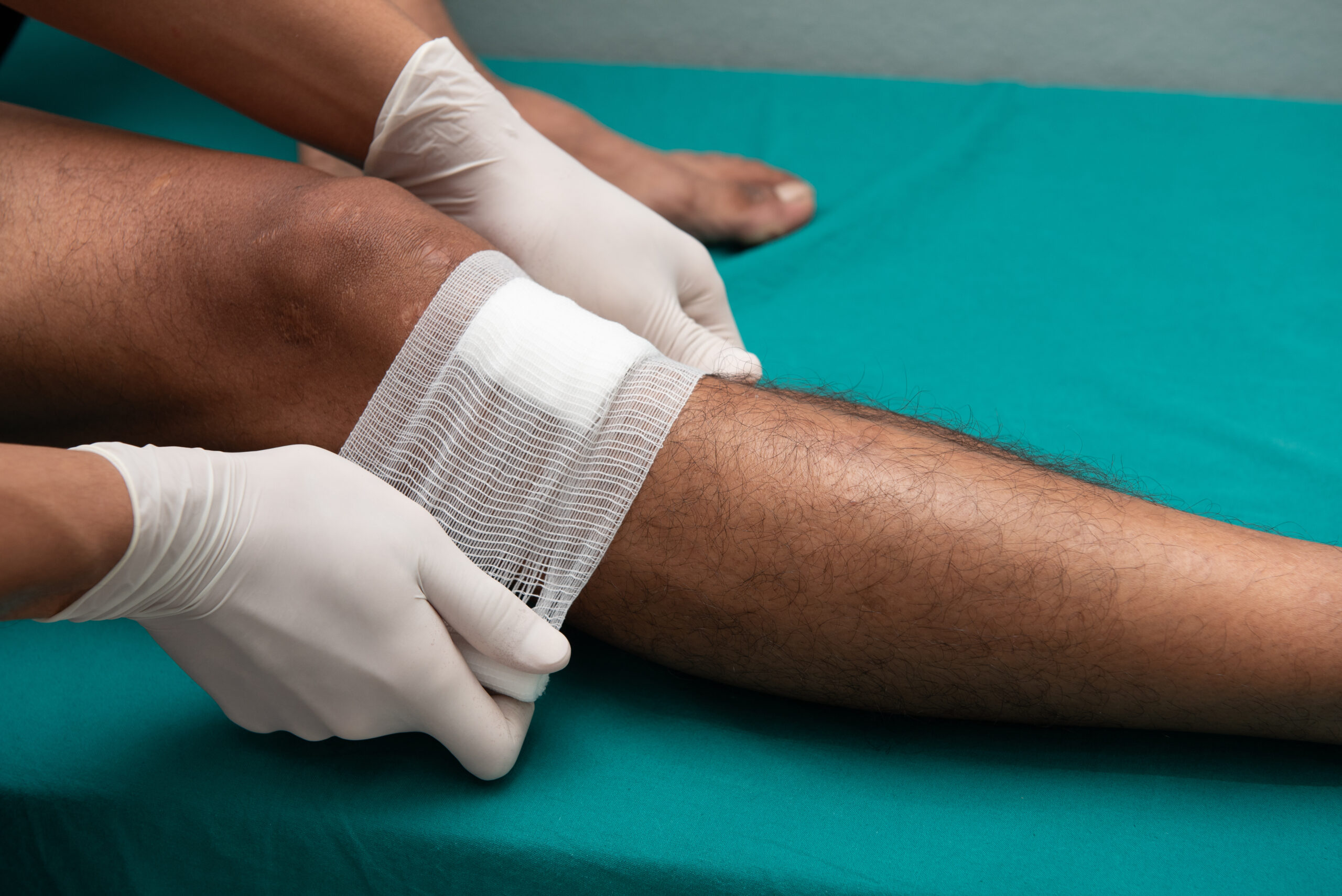

Peripheral artery disease (PAD) is a circulatory condition that reduces blood flow, most commonly to the legs and feet. While leg pain may be one of the more recognizable symptoms, PAD can also have a significant effect on the body’s ability to heal wounds. When tissues do not receive adequate blood flow, even a small sore on the foot or leg may become difficult to heal and can potentially lead to serious complications.
At Encompass Healthcare in West Bloomfield, Michigan, patients with complex and non-healing wounds receive comprehensive evaluation and individualized care designed to address factors that may be interfering with the healing process.
What Is Peripheral Artery Disease?
Peripheral artery disease is a form of cardiovascular disease in which arteries supplying blood to the limbs become narrowed or blocked. PAD most commonly affects arteries supplying the legs and feet.
The most common underlying cause is atherosclerosis, a process in which plaque made up of fats, cholesterol and other substances accumulates within artery walls. As plaque builds up, the space available for blood to travel through the artery becomes narrower, reducing circulation to tissues beyond the blockage.
In some cases, a blood clot may further restrict or completely obstruct blood flow.
Poor circulation matters throughout the body, but it can be especially concerning in the lower extremities because adequate blood flow is essential for maintaining healthy tissue and repairing damaged skin.
Peripheral Artery Disease and Poor Circulation: Why Blood Flow Matters
Every tissue in the body requires oxygen and nutrients delivered through the bloodstream. When an injury occurs, the healing process creates additional demands on the affected tissue.
Blood circulation helps deliver the oxygen, nutrients and cells necessary to support tissue repair. If blood flow to a foot or leg is significantly reduced because of peripheral artery disease, the body’s ability to heal an injury can become compromised.
As a result, a blister, cut, pressure injury or other wound may heal slowly or fail to heal as expected. Severe PAD can progress to chronic limb-threatening ischemia (CLTI), in which blood flow becomes severely inadequate and a patient may experience pain at rest, non-healing wounds or tissue loss.
PAD is therefore more than a circulation problem. It is also an important cardiovascular condition associated with increased risks of serious complications, including heart attack, stroke and limb loss.
What Are the Symptoms of Peripheral Artery Disease?
PAD does not always cause obvious symptoms. Some patients may have no symptoms at all, while others experience signs they mistakenly attribute to aging, arthritis or another condition.
One of the most characteristic symptoms is intermittent claudication—aching, cramping, heaviness, fatigue or discomfort in the leg muscles during physical activity. The discomfort typically improves after resting because the muscles require less blood flow when they are no longer working as hard.
Other potential signs of PAD include:
- Leg or calf pain when walking or climbing stairs
- Pain that improves after resting
- One foot or lower leg feeling colder than the other
- Changes in the color of the legs or feet
- Reduced hair growth on the legs
- Slow-growing toenails
- Weakness or numbness in the legs
- Pain or discomfort in the foot or leg while at rest
- Sores on the feet, toes or legs that heal slowly
- Wounds that do not heal
- Tissue death or gangrene in advanced cases
Because PAD can be present without classic symptoms, people with cardiovascular risk factors should discuss their individual risk with a healthcare professional.
Who Is at Risk for Peripheral Artery Disease?
PAD becomes more common with age, but age is not the only factor that influences risk. Several health and lifestyle factors can damage blood vessels or accelerate atherosclerosis.
Risk factors may include:
- Cigarette smoking or other tobacco use
- Diabetes
- High blood pressure
- High cholesterol
- Chronic kidney disease
- Increasing age
- A history of atherosclerotic cardiovascular disease
Smoking and diabetes are particularly important risk factors for PAD and its complications.
Patients who have multiple risk factors may benefit from discussing PAD screening and cardiovascular risk management with their healthcare provider.
How Can Poor Circulation Cause a Non-Healing Wound?
Wound healing is a complex biological process. The body must control inflammation, rebuild tissue and restore the skin barrier. Each stage requires an adequate supply of oxygen and nutrients.
When PAD restricts circulation to the legs or feet, a wound may not receive the blood supply needed to support normal repair.
This can create several concerns.
Delayed Wound Healing
A small wound that would normally heal may remain open for an extended period because the tissue does not receive adequate blood flow.
Increased Risk of Infection
An open wound creates an opportunity for bacteria to enter the tissue. Poor circulation can make an already complicated wound even more difficult to manage.
Tissue Damage
Severely restricted blood flow can cause tissue to become ischemic, meaning it is not receiving enough oxygenated blood to remain healthy.
Increased Risk of Limb Loss
Advanced PAD and chronic limb-threatening ischemia can lead to non-healing ulcers, gangrene and an increased risk of amputation. Early identification and appropriate treatment are therefore important components of limb preservation.
Peripheral Artery Disease, Diabetes and Foot Wounds
PAD can be particularly concerning for people with diabetes.
Diabetes can contribute to both reduced circulation and nerve damage. Peripheral neuropathy may decrease sensation in the feet, making it possible for a patient to develop a blister, cut or pressure injury without immediately noticing it.
At the same time, PAD can decrease the blood supply available to heal that injury.
The combination of reduced sensation, poor circulation and an open wound can create a serious clinical problem. Regular foot examinations and prompt evaluation of new wounds are particularly important for people with diabetes.
How Is Peripheral Artery Disease Diagnosed?
Diagnosing PAD typically begins with a medical history and physical examination. A healthcare provider may ask about symptoms, cardiovascular risk factors, smoking history, diabetes and changes in the legs or feet.
One commonly used diagnostic test is the ankle-brachial index (ABI). This test compares blood pressure measured at the ankle with blood pressure measured in the arm. An abnormal result can indicate reduced arterial circulation to the lower extremities.
Depending on the patient’s symptoms and clinical findings, additional vascular testing or imaging may be necessary.
For patients with a non-healing foot or leg wound, determining whether arterial disease is contributing to the problem can be an important part of developing an appropriate treatment strategy.
How Is Peripheral Artery Disease Treated?
Treatment depends on the severity of the disease, the patient’s symptoms and whether complications such as wounds or chronic limb-threatening ischemia are present.
The goals of treatment include reducing cardiovascular risk, improving symptoms and physical function, preventing progression and protecting the affected limb.
Treatment may include:
- Smoking cessation
- Structured exercise therapy
- Management of diabetes
- Blood pressure management
- Cholesterol-lowering therapy
- Antiplatelet or other cardiovascular medications when clinically appropriate
- Appropriate foot and wound care
- Procedures to restore blood flow when necessary
For some patients with significant arterial blockages, revascularization may be recommended. Depending on the individual situation, this can involve endovascular procedures such as angioplasty and stenting or surgical bypass.
Treatment decisions should be individualized by the patient’s medical and vascular care team.
Why Treating the Wound Alone May Not Be Enough
A chronic wound is sometimes a visible sign of a deeper medical problem.
If poor arterial circulation is preventing adequate blood from reaching the affected tissue, simply applying a dressing to the wound may not address the underlying reason it is failing to heal.
Effective management of a complex wound may require evaluating multiple factors, including:
- Blood circulation
- Infection
- Pressure on the wound
- Diabetes and blood glucose management
- Nutrition
- Swelling or edema
- Underlying medical conditions
This comprehensive approach is especially important when a wound has persisted despite previous treatment.
When Should You Seek Medical Care?
Contact a healthcare professional if you experience persistent leg pain during activity, significant changes in the appearance or temperature of your feet, or a wound that is not healing normally.
A medical evaluation is especially important for a wound that:
- Is not showing signs of healing
- Continues to become larger or deeper
- Develops drainage, redness or other possible signs of infection
- Is accompanied by significant foot or leg pain
- Develops dark, black or discolored tissue
- Occurs in someone with diabetes or known circulation problems
Sudden severe leg pain, coldness, numbness, weakness or a sudden change in color can indicate an acute loss of blood flow and requires immediate medical attention.
Comprehensive Wound Care at Encompass Healthcare in West Bloomfield
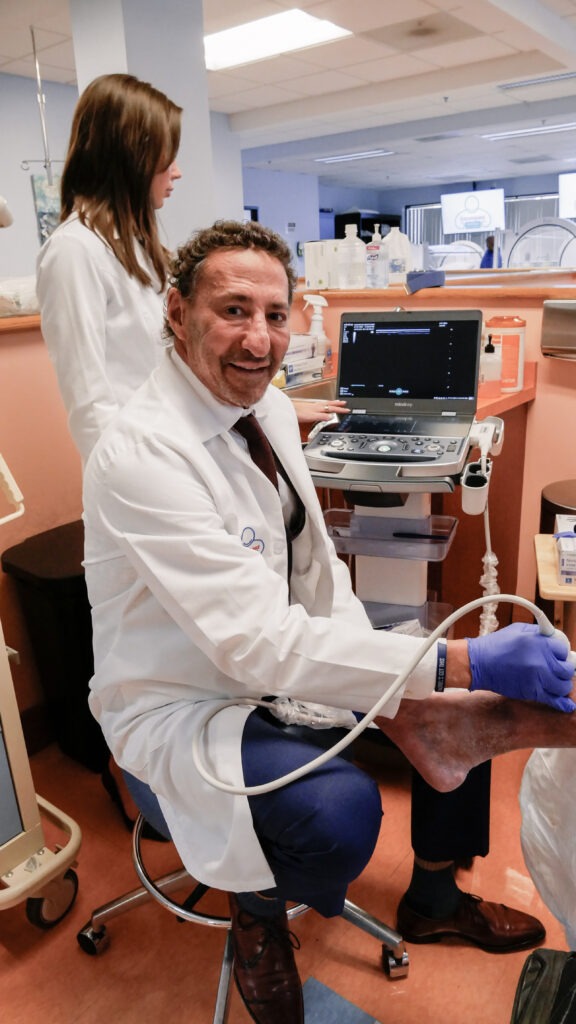
When a wound isn’t healing, identifying why it isn’t healing is an essential part of determining the next steps.
At Encompass Healthcare in West Bloomfield, Dr. Bruce Ruben and the healthcare team evaluate complex and non-healing wounds with an individualized approach. For patients with poor circulation or suspected peripheral artery disease, understanding the role that blood flow plays in healing can help guide appropriate wound care and coordination with vascular specialists when necessary.
If you have a foot or leg wound that isn’t healing as expected, don’t ignore it. Early medical evaluation can help identify underlying factors that may be interfering with the healing process.
Sources
- American Heart Association — What Is Peripheral Artery Disease?
American Heart Association: What Is Peripheral Artery Disease? - National Heart, Lung, and Blood Institute (NIH) — Peripheral Artery Disease
NHLBI: Peripheral Artery Disease - National Heart, Lung, and Blood Institute (NIH) — Peripheral Artery Disease Treatment
NHLBI: Peripheral Artery Disease Treatment - American Heart Association/American College of Cardiology — 2024 Lower Extremity Peripheral Artery Disease Guideline
American Heart Association: 2024 PAD Guideline Overview - Centers for Disease Control and Prevention — Your Feet and Diabetes
CDC: Your Feet and Diabetes