
Understanding Untreated Infection Risks and Their Potential Consequences
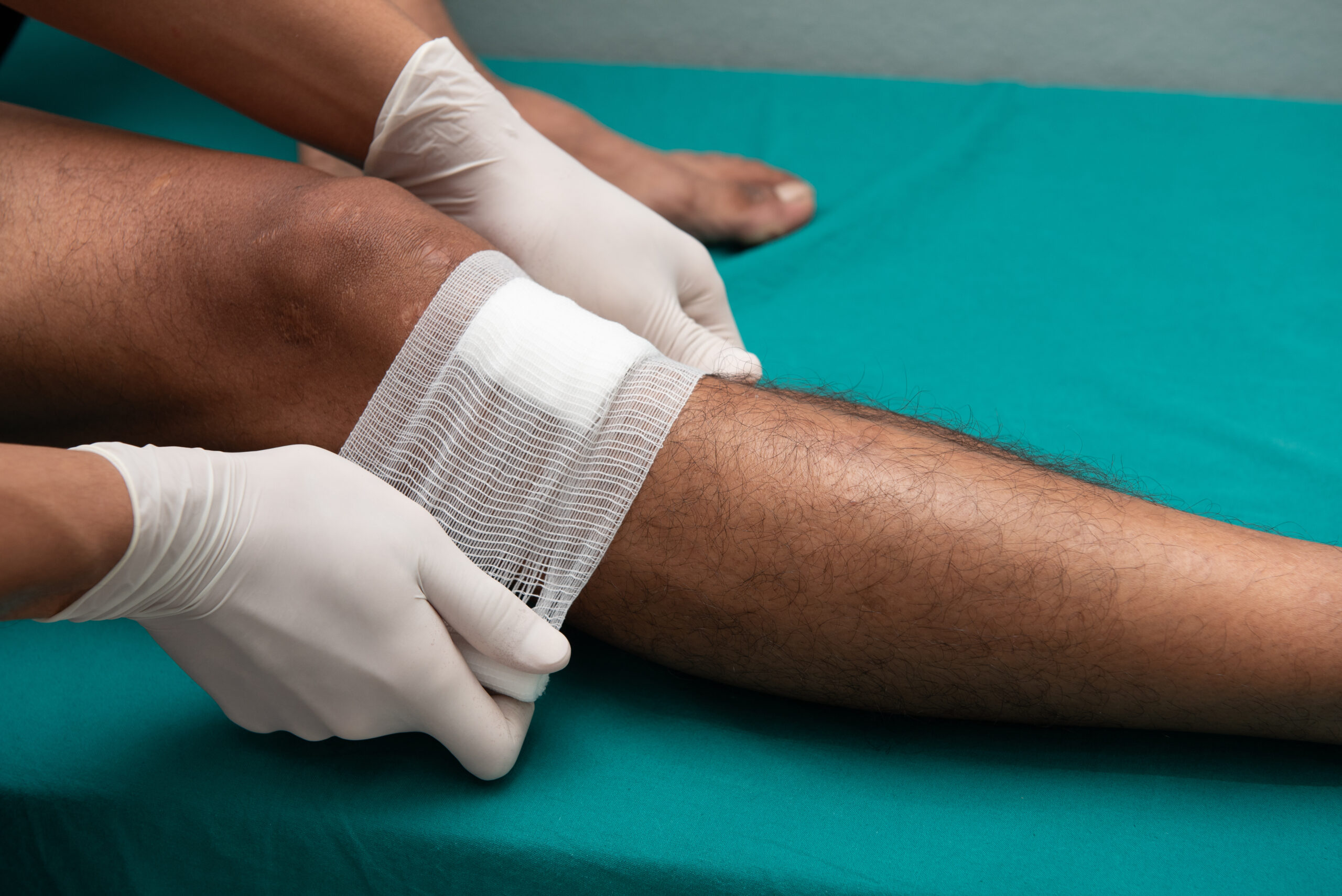
An infection may begin with mild symptoms such as redness, swelling, pain, drainage, fever, or fatigue. However, delaying medical care can allow the infection to progress, spread, and become significantly more difficult to treat.
Understanding untreated infection risks is essential for protecting your health and preventing serious complications. While some infections remain localized, others can rapidly spread to surrounding tissues, enter the bloodstream, and become life-threatening medical emergencies.
What Happens When an Infection Is Left Untreated?
The body’s immune system works continuously to fight harmful bacteria, viruses, fungi, and parasites. In some cases, however, the infection can overwhelm the body’s defenses and continue to spread.
As an infection progresses, patients may experience:
- Increasing pain or tenderness
- Redness that continues to expand
- Swelling
- Warmth around the affected area
- Drainage or pus
- Fever or chills
- Fatigue or weakness
- Delayed wound healing
These symptoms may indicate that the infection is worsening rather than improving.
Can an Untreated Infection Spread?
Yes. One of the most significant untreated infection risks is the ability of the infection to spread beyond its original location.
For example:
- A skin infection can spread into deeper tissues.
- A wound infection can involve muscle or bone.
- A urinary tract infection may spread to the kidneys.
- A respiratory infection can progress into pneumonia.
As infections become more extensive, treatment often becomes more complicated and recovery times may increase.
The Link Between Untreated Infections and Sepsis
Perhaps the most serious complication associated with untreated infections is sepsis.
Sepsis occurs when the body’s response to an infection triggers widespread inflammation throughout the body. Rather than remaining localized, the infection sets off a chain reaction that can damage tissues and organs. Without rapid medical treatment, sepsis may progress to septic shock, organ failure, and death.
Common infections that can lead to sepsis include:
- Skin and soft tissue infections
- Pneumonia
- Urinary tract infections
- Abdominal infections
- Infected wounds
Early recognition and treatment of infections remain one of the most effective ways to reduce the risk of sepsis and its complications.
Who Is Most Vulnerable to Infection Complications?
While anyone can develop serious complications from an infection, certain groups may be at increased risk, including:
- Older adults
- Individuals with diabetes
- Patients with poor circulation
- People receiving chemotherapy
- Organ transplant recipients
- Individuals taking immunosuppressive medications
- Patients with weakened immune systems
For these individuals, even seemingly minor infections may progress quickly and require prompt medical attention.
Warning Signs That Require Medical Evaluation
Seek medical care promptly if you experience:
- Fever or chills
- Increasing redness or swelling
- Pus or drainage
- A wound that is not healing
- Severe pain
- Red streaking extending away from the affected area
- Fatigue or confusion
- Rapid heart rate
- Difficulty breathing
These symptoms may indicate that an infection is worsening or spreading throughout the body.
How Early Treatment Improves Outcomes
Early diagnosis and treatment can often prevent infections from progressing and reduce the likelihood of hospitalization or more invasive interventions.
Depending on the cause and severity of the infection, treatment may include:
- Antibiotic therapy
- Antifungal or antiviral medications
- Wound care
- Drainage procedures
- Intravenous therapies
- Monitoring for complications
Prompt treatment not only improves recovery but may also reduce the risk of long-term complications.
Expert Infection Care at Encompass Healthcare
Delaying treatment for an infection can lead to serious health complications, but early intervention can make all the difference. At Encompass Healthcare in West Bloomfield, MI, Dr. Bruce Ruben specializes in diagnosing and treating infected wounds, chronic wounds, and other conditions that require expert wound management. If you notice increasing pain, redness, swelling, drainage, or a wound that isn’t improving, don’t ignore the warning signs. Schedule an appointment with our West Bloomfield wound care specialists today and receive the expert care you need to heal with confidence.
Scientific References
- Centers for Disease Control and Prevention. Sepsis Overview. Available at: https://www.cdc.gov/sepsis/about/index.html
- Centers for Disease Control and Prevention. Preventing Infections That Can Lead to Sepsis. Available at: https://www.cdc.gov/sepsis/prevention/index.html
- National Institute of General Medical Sciences. Sepsis Fact Sheet. Available at: https://www.nigms.nih.gov/education/fact-sheets/Pages/sepsis
- Font MD, et al. Sepsis and Septic Shock: Basics of Diagnosis and Treatment. Available through PubMed.
- CDC. Sepsis Signs and Symptoms. Available at: https://www.cdc.gov/sepsis/communication-resources/gaos-signs-symptoms.html