How Do Wounds Become Infected?
A wound infection occurs when harmful microorganisms, such as bacteria, fungi, or viruses, enter a break in the skin and begin to multiply. While the body’s immune system is designed to fight off these organisms, certain factors can overwhelm the body’s defenses and allow an infection to develop.
Understanding how do wounds become infected is important because early recognition and treatment can prevent serious complications, support healing, and reduce the risk of hospitalization.
Whether caused by a surgical incision, diabetic ulcer, pressure injury, traumatic injury, or minor cut, any wound has the potential to become infected if proper healing does not occur.
Why the Skin Is Important for Protection
The skin serves as the body’s first line of defense against infection. When the skin is intact, it helps prevent bacteria and other harmful organisms from entering the body.
However, when the skin is damaged by:
- Cuts
- Scrapes
- Burns
- Surgical procedures
- Chronic wounds
- Pressure injuries
microorganisms can gain access to the underlying tissues and begin to grow.
The larger or deeper the wound, the greater the risk of infection.
Common Causes of Wound Infections
Several factors can increase the likelihood that a wound will become infected.
Bacterial Contamination
Bacteria naturally live on the skin and in the environment. When bacteria enter an open wound, they can multiply and interfere with the healing process.
Common bacteria associated with wound infections include:
- Staphylococcus aureus
- Methicillin-resistant Staphylococcus aureus (MRSA)
- Streptococcus species
- Pseudomonas aeruginosa
These organisms can cause local infections and, in severe cases, spread to deeper tissues or the bloodstream.
Poor Circulation
Healthy blood flow delivers oxygen, nutrients, and immune cells necessary for healing.
Conditions that reduce circulation can increase infection risk, including:
- Peripheral artery disease
- Chronic venous insufficiency
- Diabetes
- Smoking-related vascular disease
Without adequate blood flow, the body’s ability to fight infection is compromised.
Diabetes
Diabetes is one of the most significant risk factors for wound infection.
Elevated blood sugar levels can:
- Impair immune function
- Reduce circulation
- Slow wound healing
- Increase bacterial growth
This is why diabetic foot ulcers require prompt medical attention and specialized wound care.
Excess Moisture
While wounds require moisture to heal properly, excessive moisture can create an environment where bacteria thrive.
Drainage, sweating, or prolonged exposure to wet dressings may contribute to bacterial growth and skin breakdown.
Foreign Material in the Wound
Dirt, debris, dead tissue, or other contaminants left inside a wound can increase the likelihood of infection.
This is why proper wound cleaning and debridement are often necessary to promote healing.
Weakened Immune System
Individuals with weakened immune systems may have greater difficulty fighting infections.
Risk factors include:
- Cancer treatment
- Autoimmune diseases
- Organ transplantation
- Certain medications
- Advanced age
- Chronic illness
Warning Signs of a Wound Infection
Recognizing the signs of infection early can help prevent complications and promote faster healing.
Common symptoms include:
Increased Redness
Some redness is normal during healing. However, redness that continues to spread around the wound may indicate infection.
Swelling
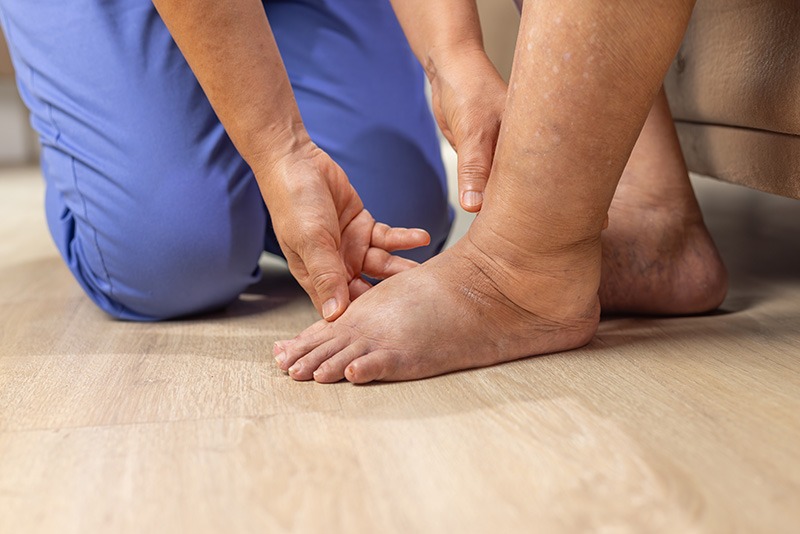
Persistent or worsening swelling may signal inflammation caused by bacteria.
Pain
A wound that becomes increasingly painful rather than improving may be infected.
Warmth Around the Wound
Infected tissue often feels warmer than the surrounding skin due to increased inflammation.
Drainage or Pus
Yellow, green, gray, or foul-smelling drainage is a common sign of infection.
Delayed Healing
A wound that fails to show progress over several weeks may have an underlying infection preventing proper healing.
Fever or Chills
Systemic symptoms such as fever, chills, fatigue, or confusion may indicate a serious infection that requires immediate medical attention.
How Infections Affect Wound Healing
When bacteria invade a wound, the body must divert resources toward fighting infection rather than repairing tissue.
As a result, infections can:
- Delay wound closure
- Increase inflammation
- Damage healthy tissue
- Cause tissue death
- Increase the risk of hospitalization
- Lead to serious complications such as cellulitis, osteomyelitis, or sepsis
For patients with chronic wounds, infection is one of the leading causes of prolonged healing times.
How to Prevent Wound Infections
Preventing infection begins with proper wound care and early intervention.
Keep the Wound Clean
Gentle cleansing helps remove bacteria, debris, and contaminants that can interfere with healing.
Follow Dressing Instructions
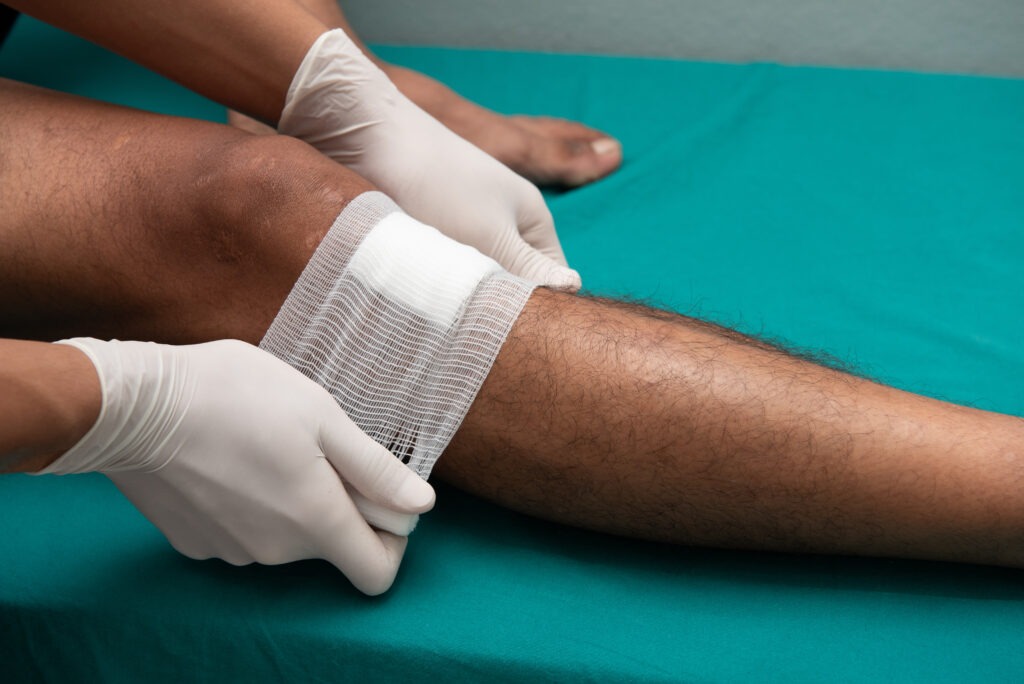
Changing dressings as directed helps maintain an optimal healing environment while reducing bacterial growth.
Protect the Wound
Avoid unnecessary pressure, friction, or trauma that may damage healing tissue.
Control Chronic Conditions
Managing diabetes, vascular disease, and other underlying health conditions can significantly improve healing outcomes.
Monitor for Changes
Patients should routinely inspect wounds for signs of infection and seek medical attention if symptoms develop.
When to Seek Medical Care
Prompt medical evaluation is recommended if a wound:
- Becomes increasingly red or swollen
- Produces pus or foul-smelling drainage
- Causes worsening pain
- Stops healing or begins to enlarge
- Is accompanied by fever or chills
- Appears black or discolored
- Occurs in a patient with diabetes or poor circulation
Early treatment can prevent minor infections from becoming serious medical complications.
Advanced Wound Infection Treatment at Encompass Healthcare
At Encompass Healthcare, Dr. Bruce Ruben and our wound care team specialize in identifying and treating wound infections before they lead to serious complications. Through comprehensive evaluations, advanced wound care therapies, infection management, and personalized treatment plans, we help patients achieve faster healing and better outcomes.
If you have a wound that is not healing properly or are concerned about signs of infection, seeking expert care early can make a significant difference in your recovery.